Can I do a cryo facial at home? It’s one of the most common questions I get asked in the treatment room at The Facial Hub since facial cryotherapy and cryo facials have been making waves in the world of skincare lately. To give you the short answer – yes, you can try a version at home, but whether you should, and how effective or safe it’ll be, depends entirely on how you go about it.
Working in the industry for nearly two decades now – from Mayfair in London to the humid city of Brisbane – I’ve seen my fair share of DIY trends come and go. But I gotta say, cryotherapy does have real benefits for your skin health – but only if you approach it with a proper understanding of how it interacts with your skin cells, blood vessels and skin barrier.
Contents
- 1 A Skin Therapist’s Honest Perspective Before You Start
- 2 How Cold Exposure Impacts Your Skin Physiology
- 3 Popular At-Home Cooling Tools Explained
- 4 What Sets Clinical Treatments Apart
- 5 Brisbane Climate And Its Impact On Results
- 6 When To Be Cautious With DIY Cooling
- 7 A Safer Way To Try It At Home
- 8 Why Skin Health Always Comes First
- 9 Hygiene And Safety Considerations
- 10 Cost Comparison: DIY Vs Professional Options
- 11 My Honest Verdict From Years In The Treatment Room
- 12 Final Thoughts: Making The Right Choice For Your Skin
- 13 FAQ
A Skin Therapist’s Honest Perspective Before You Start
Before you go off and grab an ice roller or start experimenting with cryo globes, you should probably take a step back and think about what your skin actually needs – not just what’s the latest trend. In the clinic at The Facial Hub, I always start by checking in on your blood flow and skin hydration before I even consider adding any cold-based treatments to the mix.
A proper cryo facial treatment isn’t just about throwing some cold at the problem – it’s about using controlled stimulation to get that blood circulation going to leave you with hydrated and rejuvenated skin, not stressed and stripped.
How Cold Exposure Impacts Your Skin Physiology
Getting a good understanding of what’s happening beneath the surface will help you avoid some of the most common DIY mistakes. Cold triggers a reaction in your blood vessels that basically dictates how your skin looks and feels.
What’s Happening Under The Surface
- Your blood vessels get a temporary squeeze, then they start to open back up
- Your skin gets a bit of a rush of oxygen-rich blood to all the cells
- Inflammation – which can look pretty nasty on the skin – starts to calm down
- Your lymphatic system starts to work more efficiently to get rid of all the waste
- You get a bit of an improvement in the overall tone and tightness of your skin
This is probably why a professional cryotherapy treatment feels so much more effective – because it’s been done in a controlled and purposeful way, not just some random exposure to cold.
Popular At-Home Cooling Tools Explained
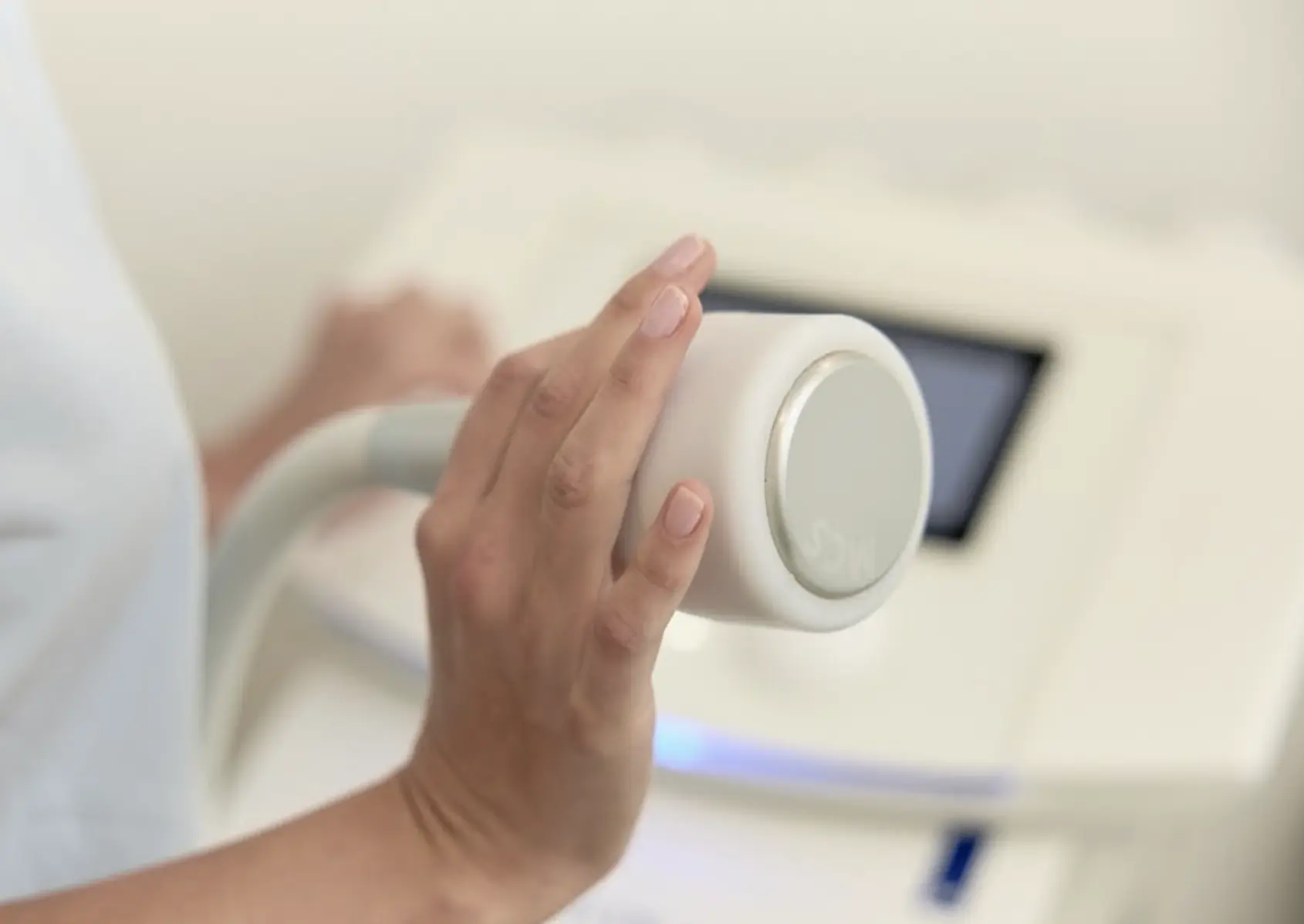
There are plenty of ways to experiment at home, but each tool works differently. Knowing what you’re using helps you avoid overdoing it.
Common Options And Their Role
| Method | Primary Benefit | Risk Level | Best For |
|---|---|---|---|
| Ice roller | Boosts blood circulation | Low | Puffiness |
| Ice globes / cryo globes | Even cooling | Low | General refresh |
| Cryotherapy spoons | Under-eye de-puffing | Low | Targeted areas |
| Direct ice | Quick tightening | Medium | Short-term use |
| Cold masks | Calming skin conditions | Low | Sensitive skin |
When clients come into The Facial Hub, I can usually tell which tool they’ve used just by how their skin is behaving.
What Sets Clinical Treatments Apart
The truth is, skin expectations have to be realistic. And let’s face it, at-home cold therapy tools are not the same level of precision as what’s delivered in a professional setting.
Why Results Differ
- Advanced devices that deliver consistent cold every time
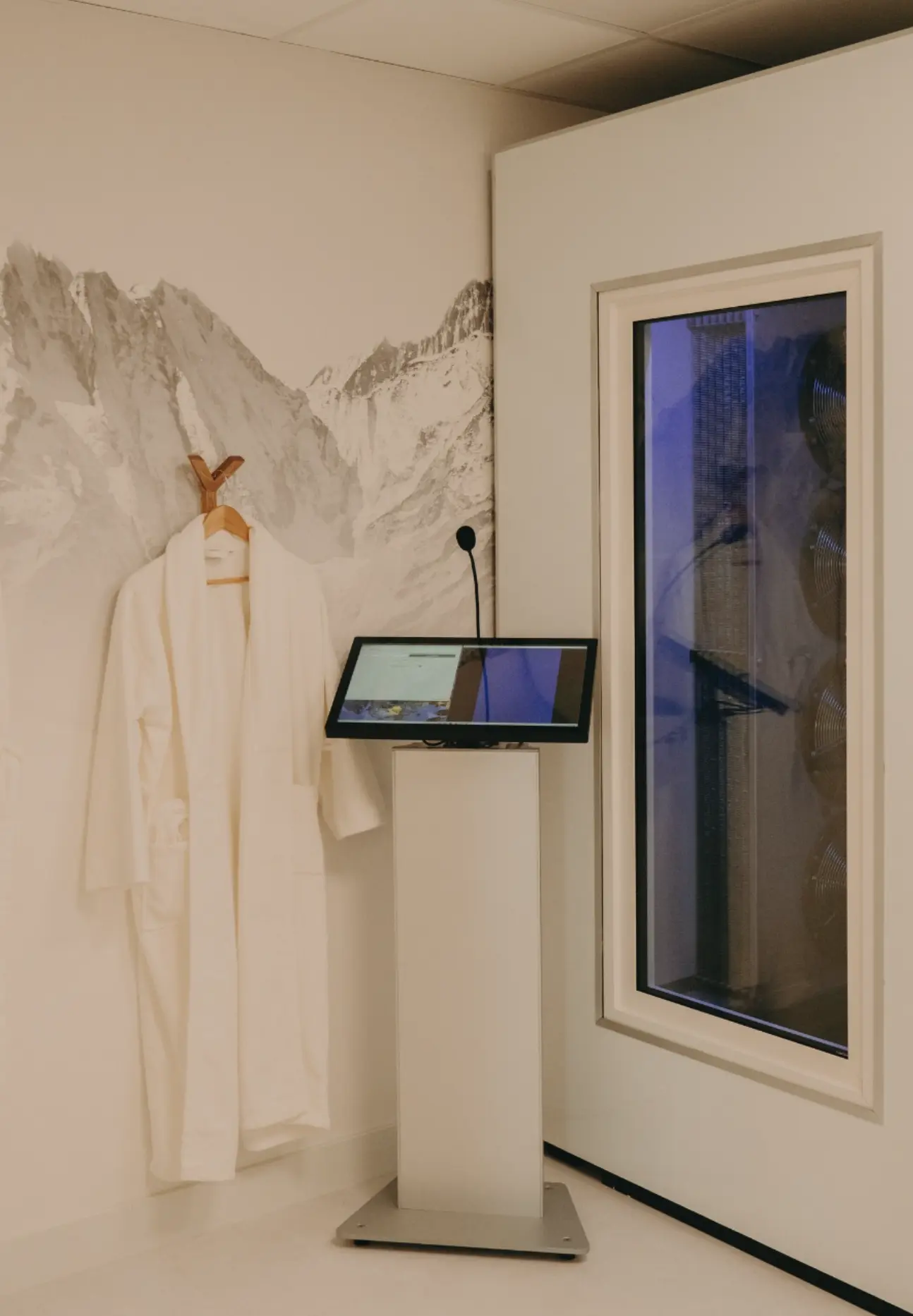
- A controlled environment, like a proper cryotherapy room
- Equipment that uses ultra-cold nitrogen air to its best effect
- The kind of hygiene and safety protocols a clinic has to follow
- And being able to target specific skin concerns
In a professional setting, liquid nitrogen is a delicate process – involving a liquid nitrogen tank and a specialist system to make sure it’s safe and delivered properly.
If you’ve done some research on cryotherapy in Brisbane, you’ll notice that a lot of reputable clinics put precision over trying to push the limits with extreme treatments.
Brisbane Climate And Its Impact On Results
People tend to underestimate how much the environment affects their skin, but that’s the thing – your surroundings can have a huge impact on blood flow, skin hydration and how all sorts of other issues show up.
I regularly see skin that looks oily but is actually unbearably dry underneath – and sun exposure can cause inflammation. At the same time, humidity just makes your skin more congested and your skin tone uneven.
Cold therapy might feel amazing after a hot day out, but overdoing it can compromise the skin barrier, and if your skin is already stressed from UV exposure or active products, forget it.
When To Be Cautious With DIY Cooling
When it comes to cold exposure, skin type really matters – and most people get this wrong.
If your skin is prone to turning red, if you have fragile blood vessels, or if you are already dealing with ongoing skin issues, cold therapy can sometimes make things worse rather than better. And if your skin barrier is compromised or you’re healing from other treatments, then it’s just not a good idea.
I’ve treated clients who thought that more cold was the way to go – only to end up with sensitivity and no improvement.
A Safer Way To Try It At Home
If you do want to try cooling at home, keep it simple and support your skin, not burn it out.
Gentle Routine To Follow
- Start with a clean slate – a calm, well-looked-after base
- Use tools like cryo globes or an ice roller – but don’t hold it in one spot
- Keep moving, keep going – don’t hold still
- Don’t overdo it – keep exposure time down
- And follow it up with some proper hydration-focused skincare
What To Avoid
- Directly putting ice on your bare skin
- Doing it too much
- Using it on irritated areas – no
This way, you’re still getting the benefits while protecting your skin cells and supporting blood circulation.
Why Skin Health Always Comes First
Cold therapy‘s just a tool – not the solution. And in 2026, what people are really after is long-term skin health, not just quick fixes.
Industry data show that over 68% of consumers are prioritising skin barrier repair and hydration now (Statista, 2026) – and that’s exactly what I see at The Facial Hub: clients who focus on consistent care see far better improvements in skin elasticity, skin tone, and overall skin resilience.
Cold exposure can enhance results, but it can’t replace good skincare.
Hygiene And Safety Considerations
At home, people tend to overlook some of the most important aspects of treatments – and that’s often a problem.
In a clinic environment, everything is under control – from tools that are properly sterilised to how even something like liquid nitrogen is handled. Back at home, even a simple ice roller that’s not been cleaned properly can introduce bacteria and throw your skin health out of kilter.
Look after the little things: clean your tools before and after use, use only fresh filtered water, and store everything in a way that makes sense. It may seem like a hassle, but these small habits can make all the difference.
Cost Comparison: DIY Vs Professional Options
| Option | Typical Cost (AUD) | Frequency | Outcome Level |
|---|---|---|---|
| Home tools | $15–$80 | Frequent | Surface-level |
| Standalone cold facial | $120–$250 | Monthly | Noticeable |
| Advanced facial treatment | $180–$350 | Monthly | Enhanced |
My Honest Verdict From Years In The Treatment Room
You can indeed try doing cryotherapy at home. But the truth is, the results from using a DIY tool like an ice globe or cryotherapy spoon are only temporary at best. To see real improvements in skin tone, skin elasticity, and overall skin health, you need to stick to a consistent, tailored treatment plan.
Final Thoughts: Making The Right Choice For Your Skin
If you enjoy the ritual and find that your skin responds well to it, then a gentle at-home approach can be a lovely addition to your routine.
But if you’re after long-term improvements or are trying to manage ongoing skin concerns, it’s probably worth getting some proper guidance.
FAQ
Can I safely use freezing tools on my face?
Yes. But only if you’re using them correctly and not applying them directly to your skin. If in doubt, use a barrier like a cloth or a proper tool.
How often is too often for cold-based treatments?
A few times a week is about the limit. Any more and you risk overwhelming your skin and throwing your balance out of whack.
Will this improve puffiness and dullness?
It might give you a bit of a reprieve from puffiness and dullness by boosting your circulation.
Is it suitable for sensitive or reactive skin?
Not always. People with sensitive or reactive skin should probably proceed with caution and maybe even get some professional advice first.
Are professional treatments really more effective?
Yes. They have the advantage of proper environments and advanced technology that give you more consistent, longer-lasting results.